The History of Corbridge
From a Roman fort on the Tyne to a Saxon church, Border raids and a bridge that outlasted the great flood: the history and heritage of this Tyne Valley village.
Corbridge at a Glance
The key moments that shaped Corbridge, from the Roman frontier to a modern Tyne Valley village.
A Roman Fort on the Tyne
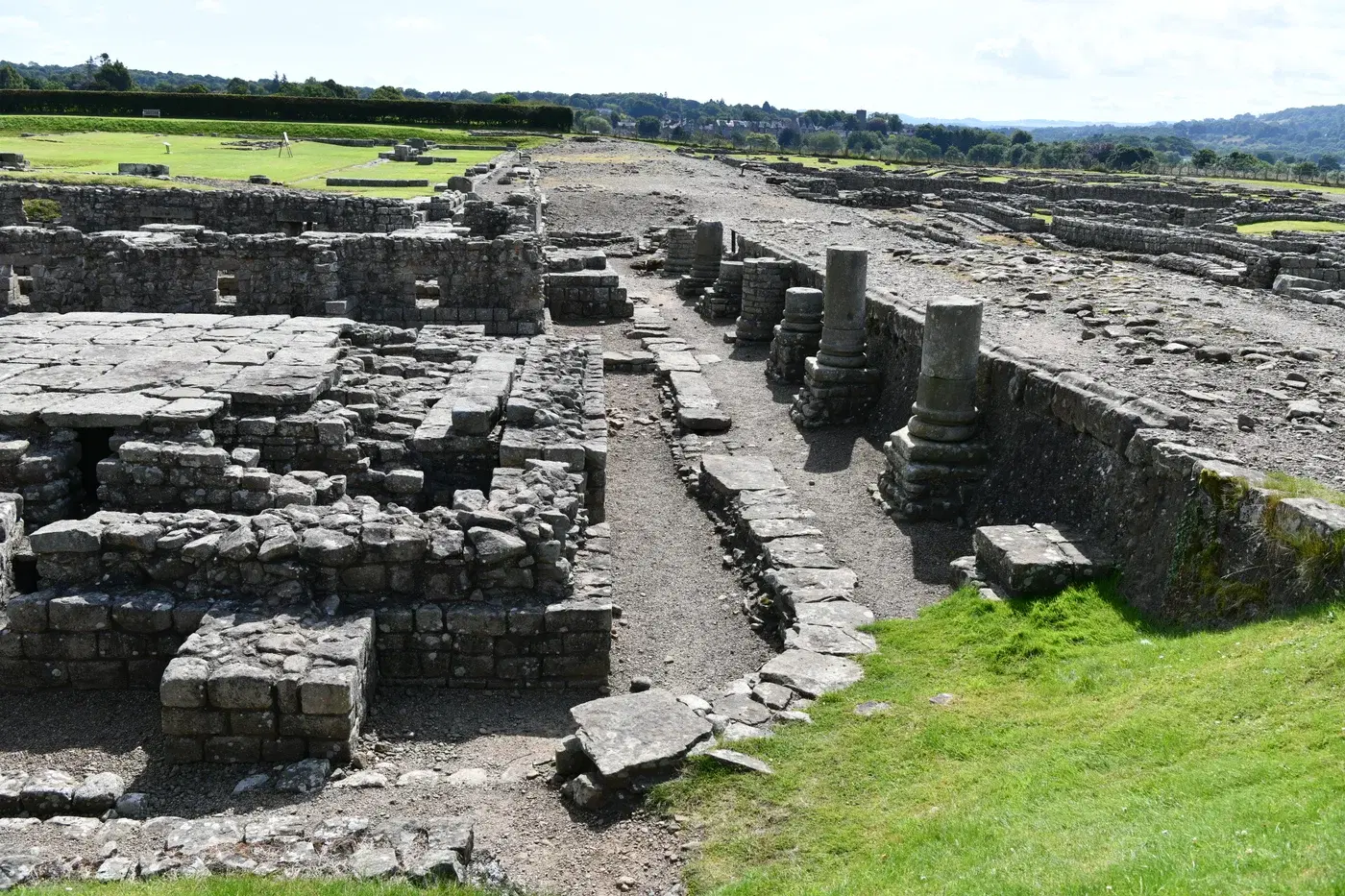
The Romans built a fort at Corbridge around AD 86 to control the crossing of the Tyne, replacing an earlier fort at Red House to the west. It became part of the Stanegate frontier, which predates Hadrian's Wall.
Coria: the Roman Town
Corbridge became a military base and supply centre on Dere Street, and a civilian town grew up around it. English Heritage describes it as the most northerly town in the Roman Empire. It was abandoned in the early 5th century.
St Andrew's Church
St Andrew's is believed to have been founded in the late 7th century and is first recorded in 786. The arch between its tower and nave is built from the stones of a single Roman arch, reused from the Roman town.
The Battle of Corbridge
Constantine II of Scotland and Ealdred of Bamburgh fought the Viking leader Ragnall ua Ímair near Corbridge. The battle was indecisive, but Ragnall went on to establish himself at York.
Border Raids
Scots under William Wallace burned Corbridge. In the centuries of Border warfare that followed, fortified towers such as the Vicar's Pele beside the church, now a scheduled monument, were built partly from Roman stone.
Corbridge Bridge
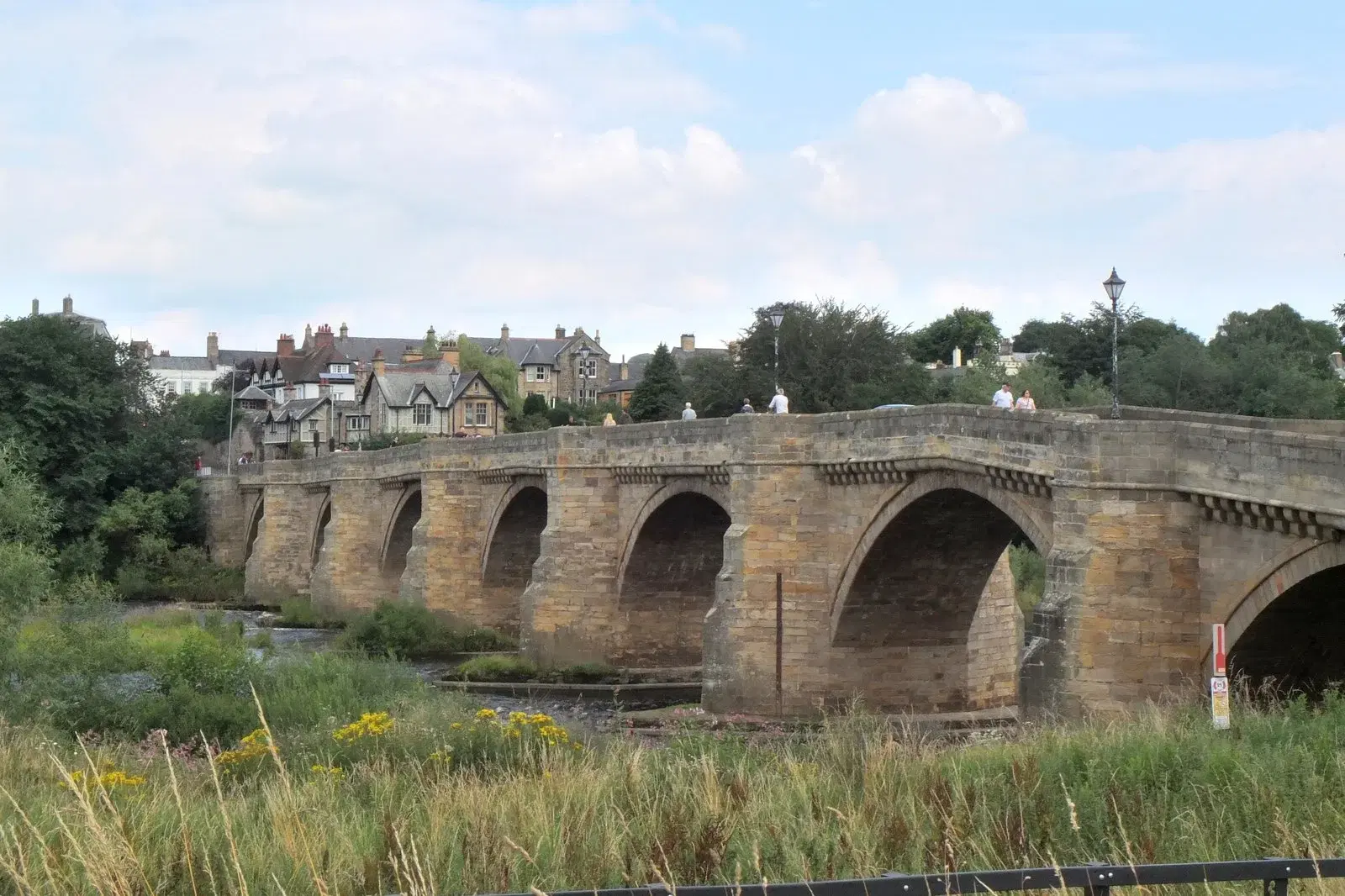
The present seven-arch stone bridge over the Tyne was built in 1674. When the great flood of 1771 swept away the other bridges on the river, Corbridge's was the only one to survive.
The Town Hall
Corbridge Town Hall was completed in 1887 for Queen Victoria's Golden Jubilee. The arrival of the railway in the 19th century also brought Victorian villas on Prospect Hill.
Excavating Roman Corbridge
Systematic excavation of the Roman site began in 1906 and its central part was given to the nation in 1933. In 1964 excavators found the Corbridge Hoard, a chest of Roman armour and equipment.
A Tyne Valley Village
With a parish population of 3,558 at the 2021 census, Corbridge is a thriving Northumberland village, known for its independent high street, its heritage and its setting in the Tyne Valley.
Heritage Articles
In-depth stories about the people, buildings and events that shaped Corbridge.